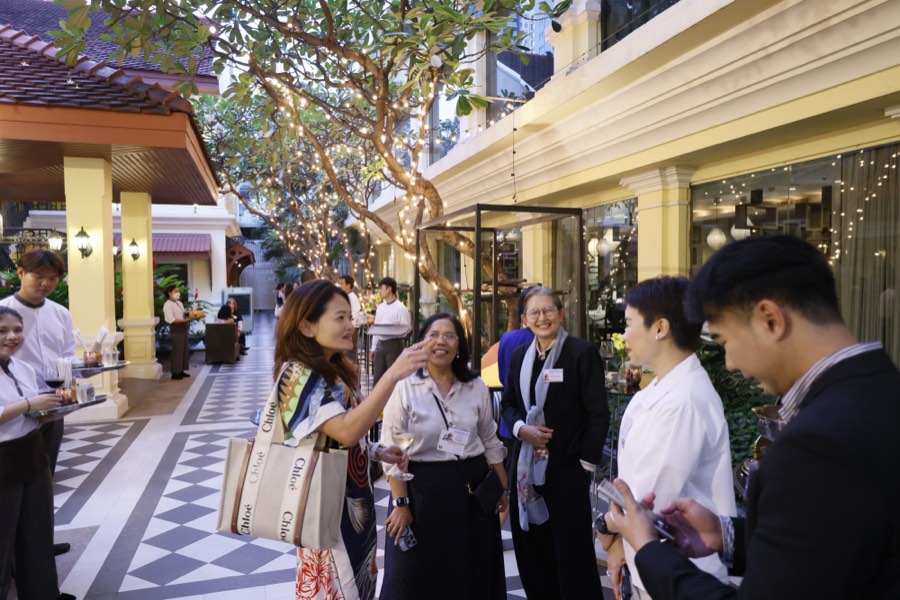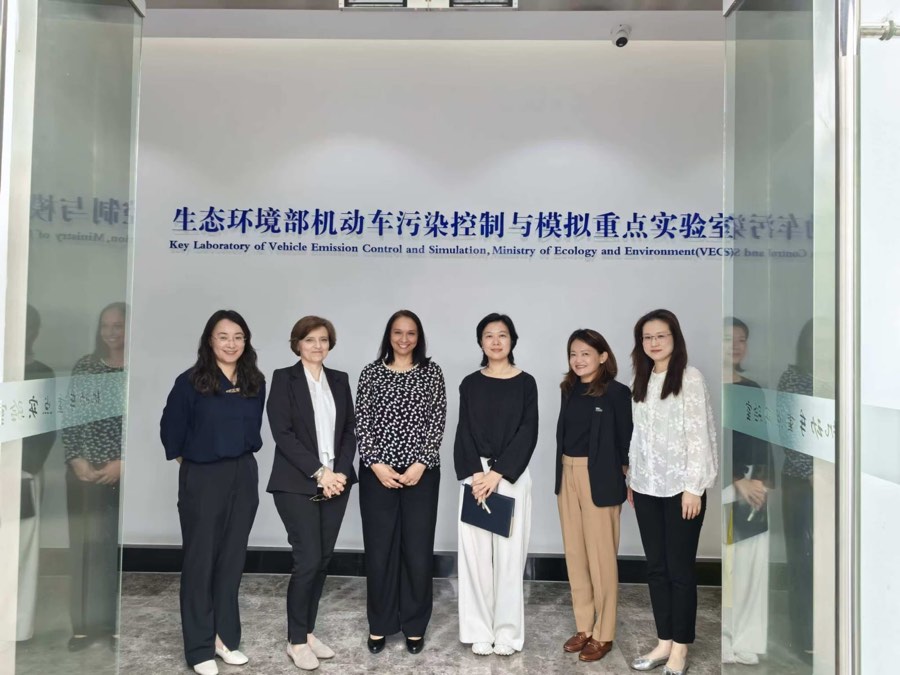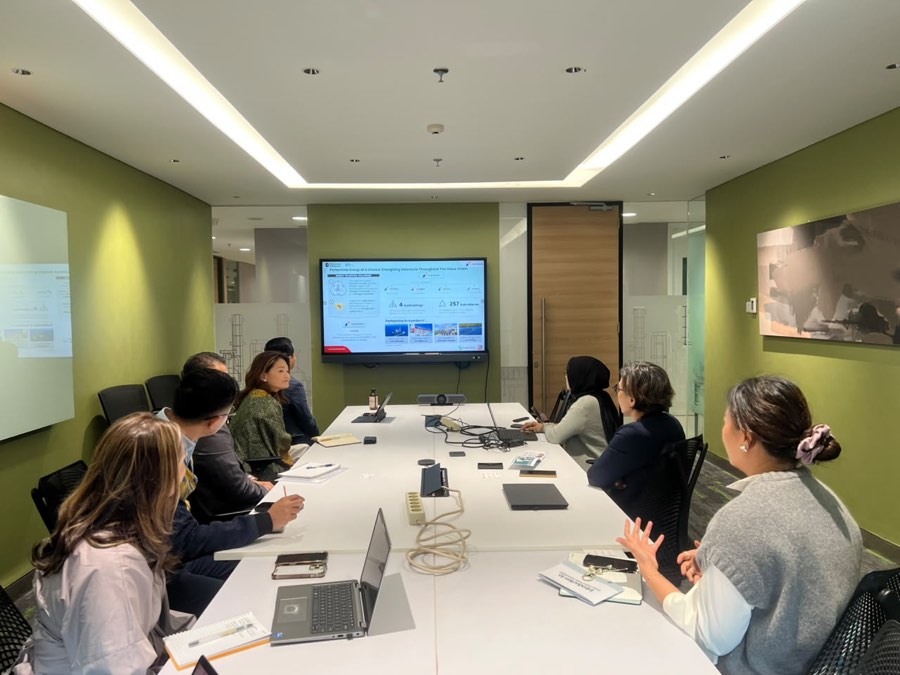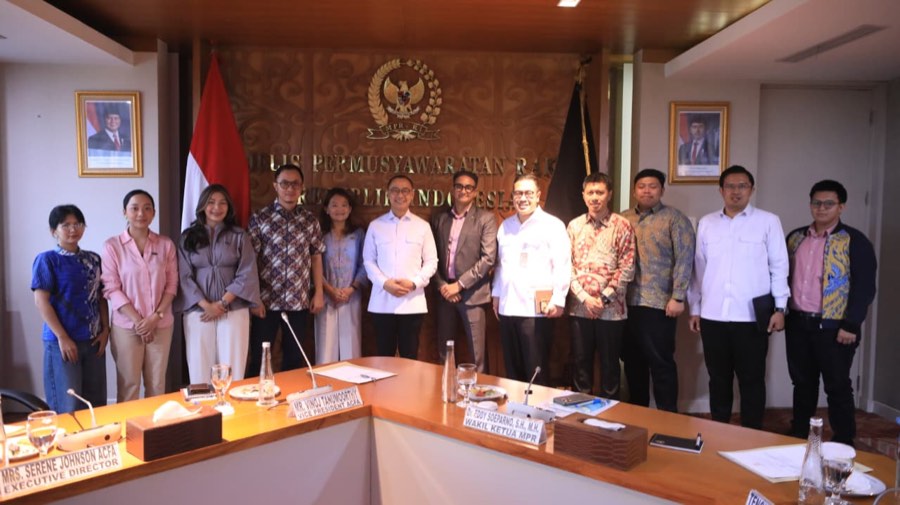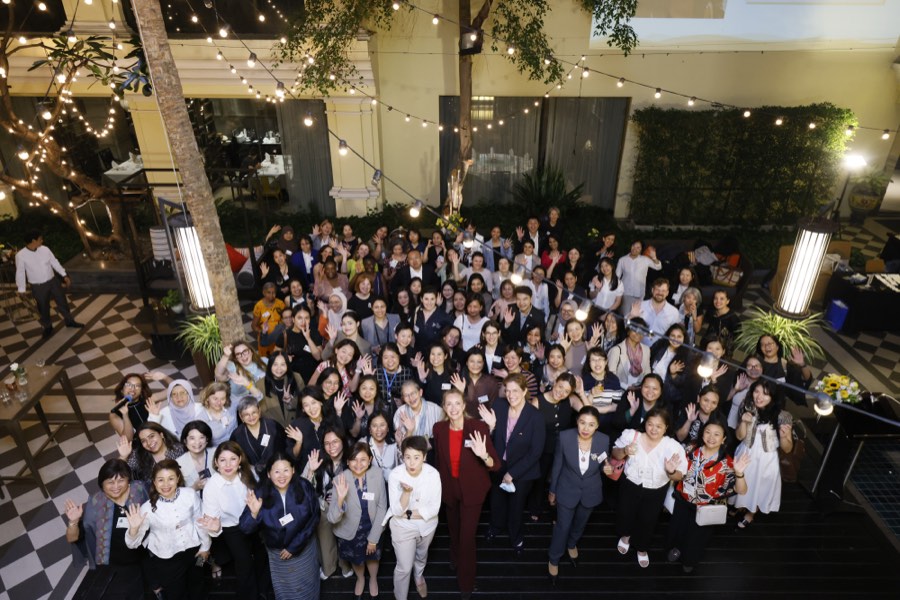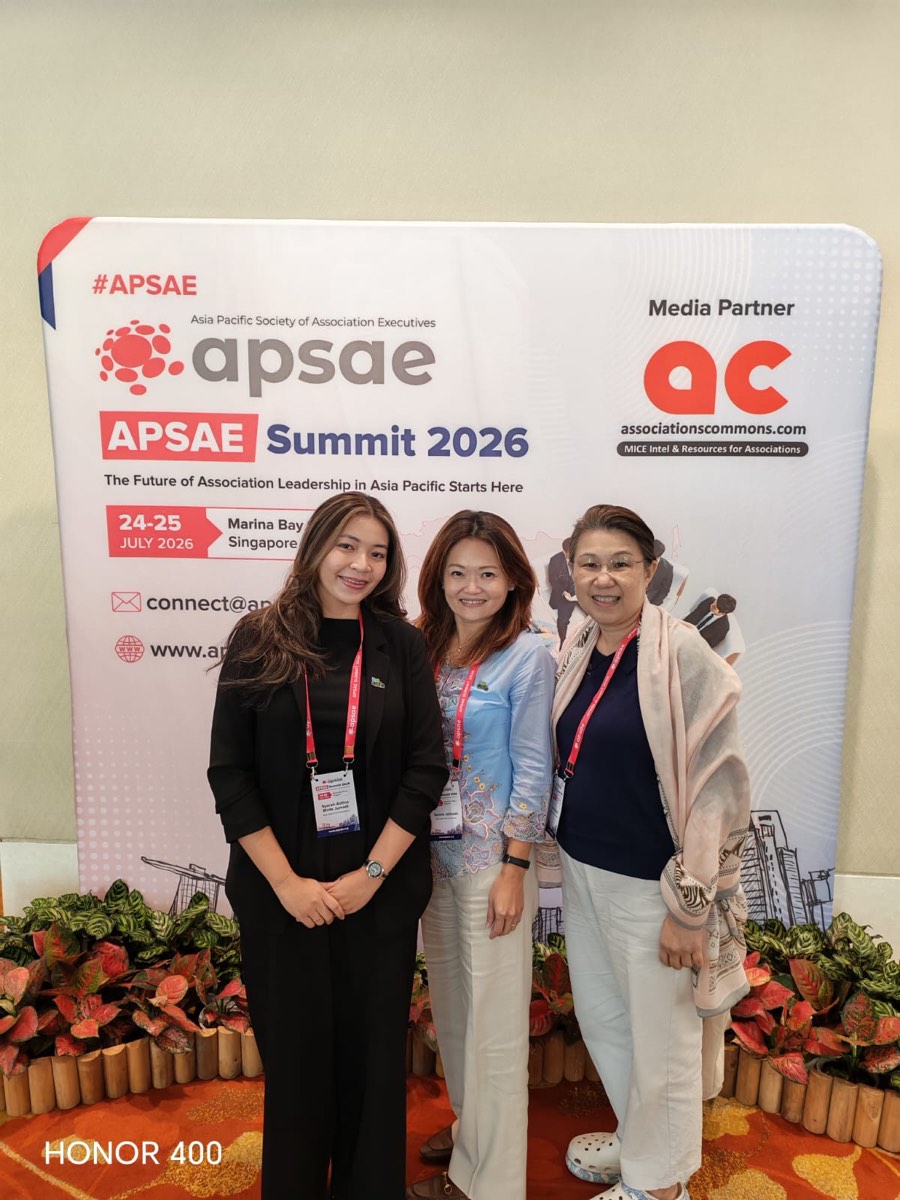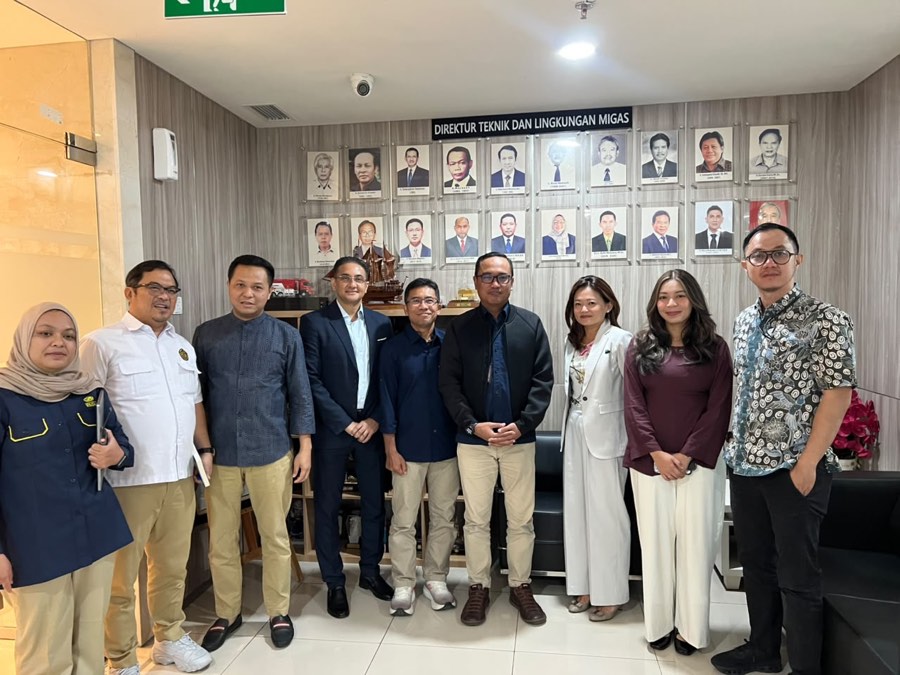

ACFA supports evidence-based discussions by bringing together technical expertise, regional experience and practical implementation across Asia.
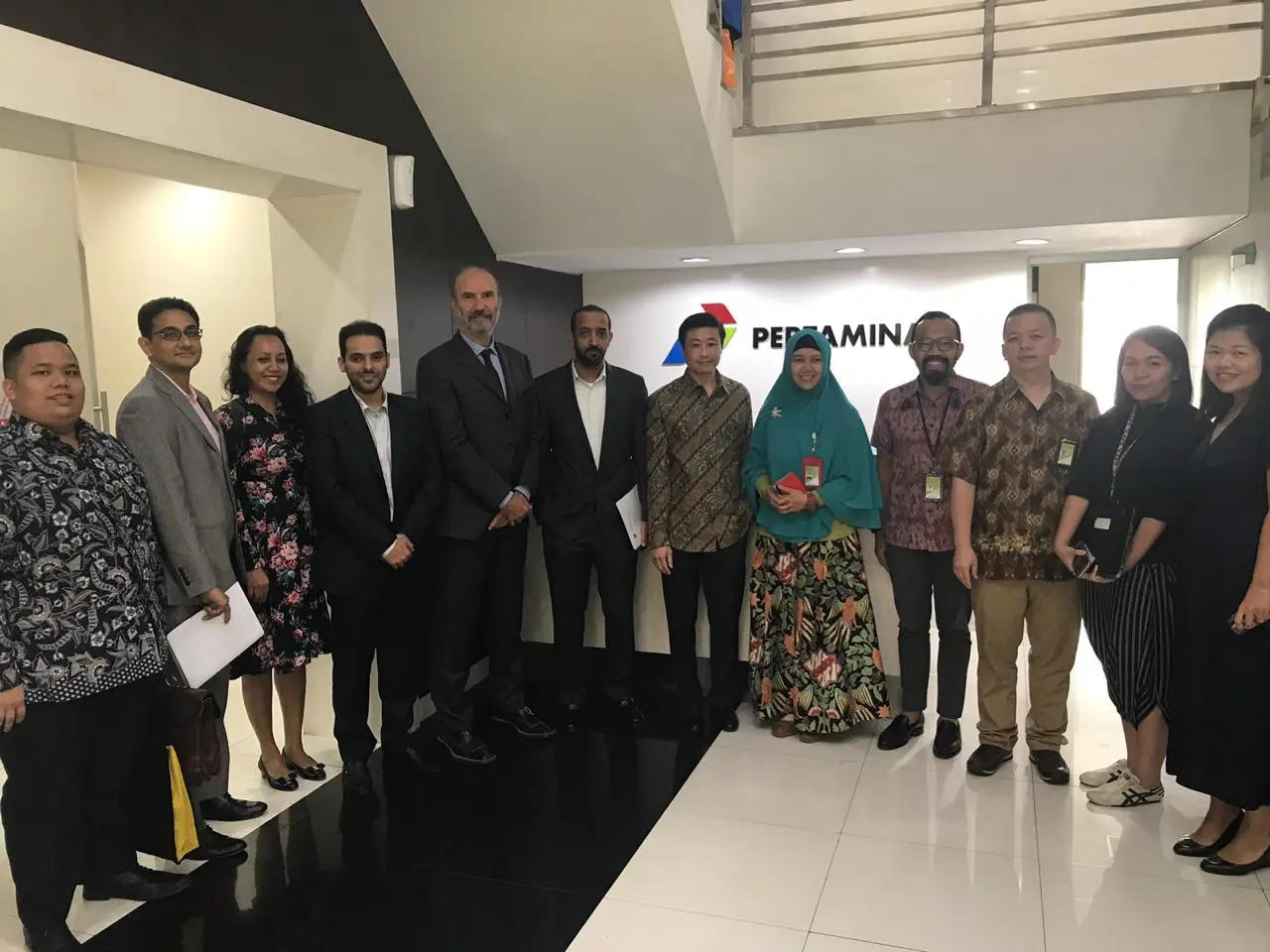
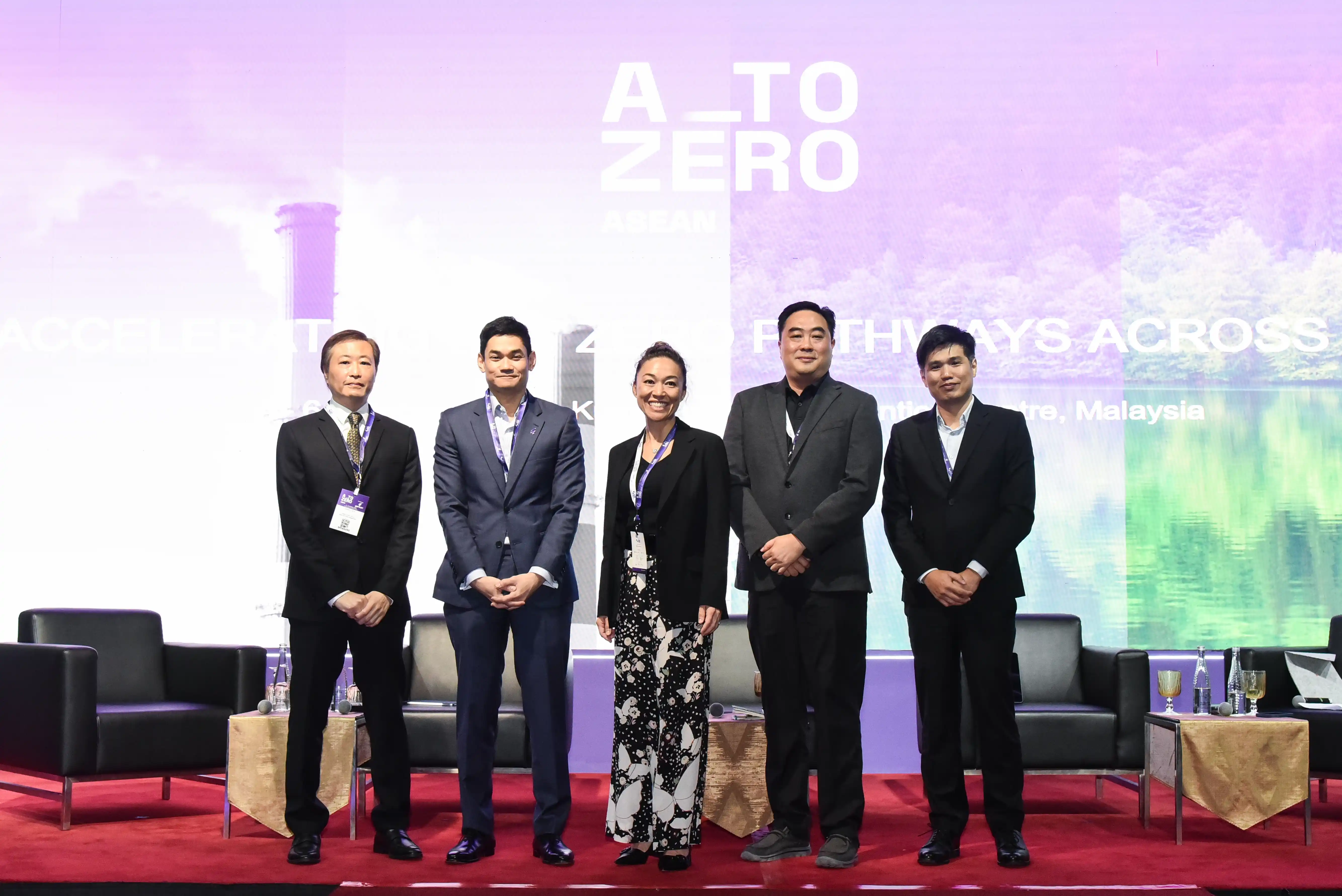
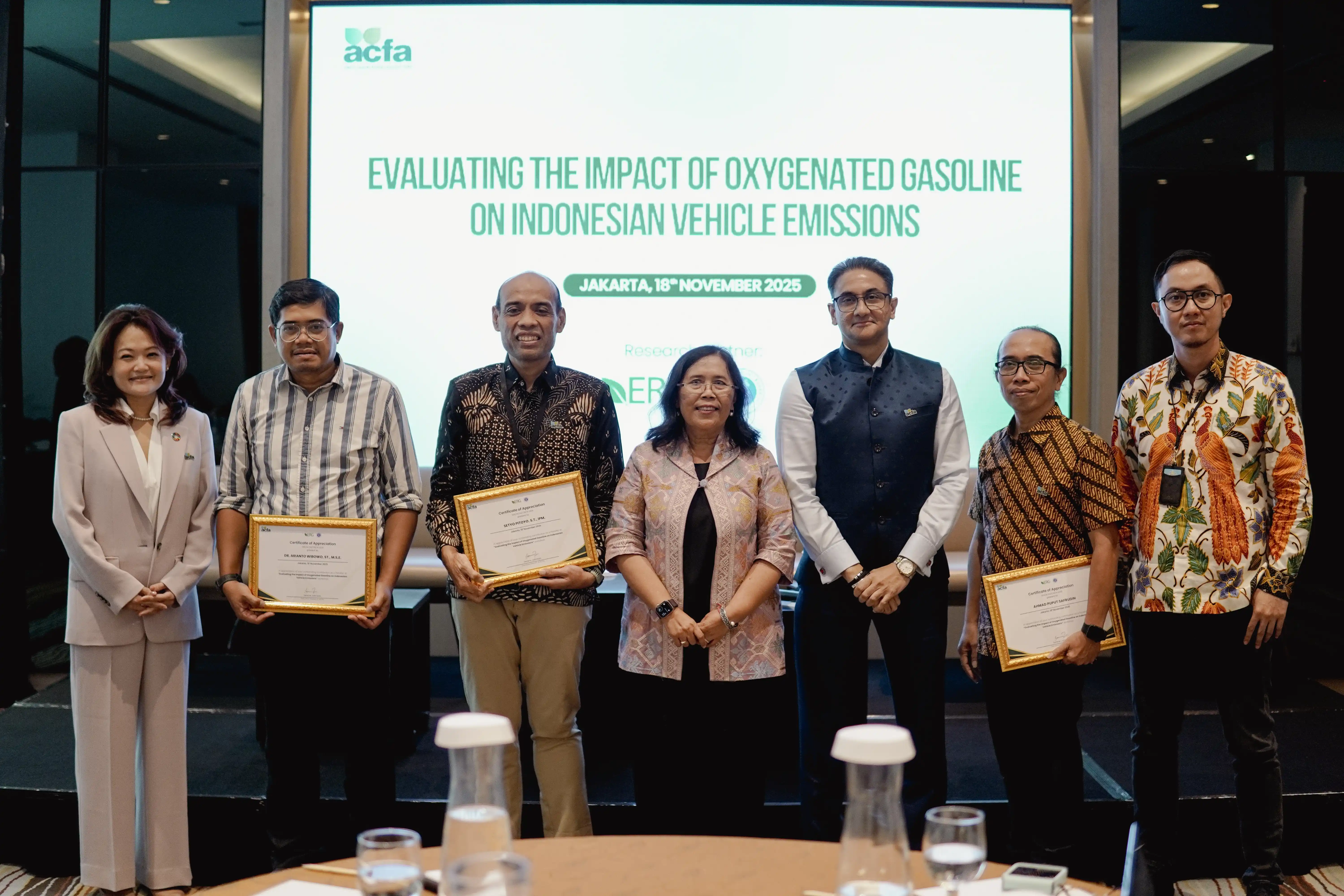
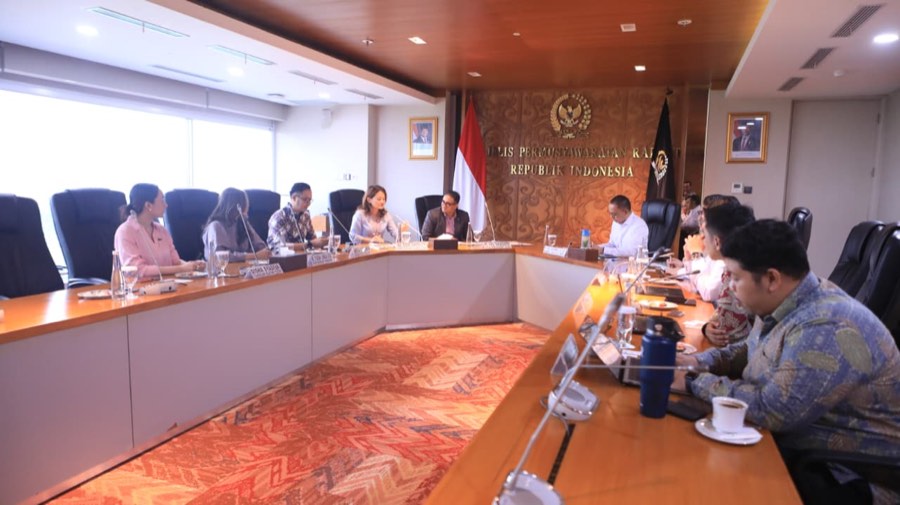
We work with policymakers, industry, researchers and partner organisations to support informed discussions on fuel quality and cleaner transport across the region. ACFA is also a member of the Singapore Business Federation (SBF).
We work with policymakers, industry, researchers and partner organisations. As transport systems and policy priorities have evolved, so has our work — from supporting cleaner fuel standards and biofuel implementation to developing local research and emissions-modelling tools.
2000
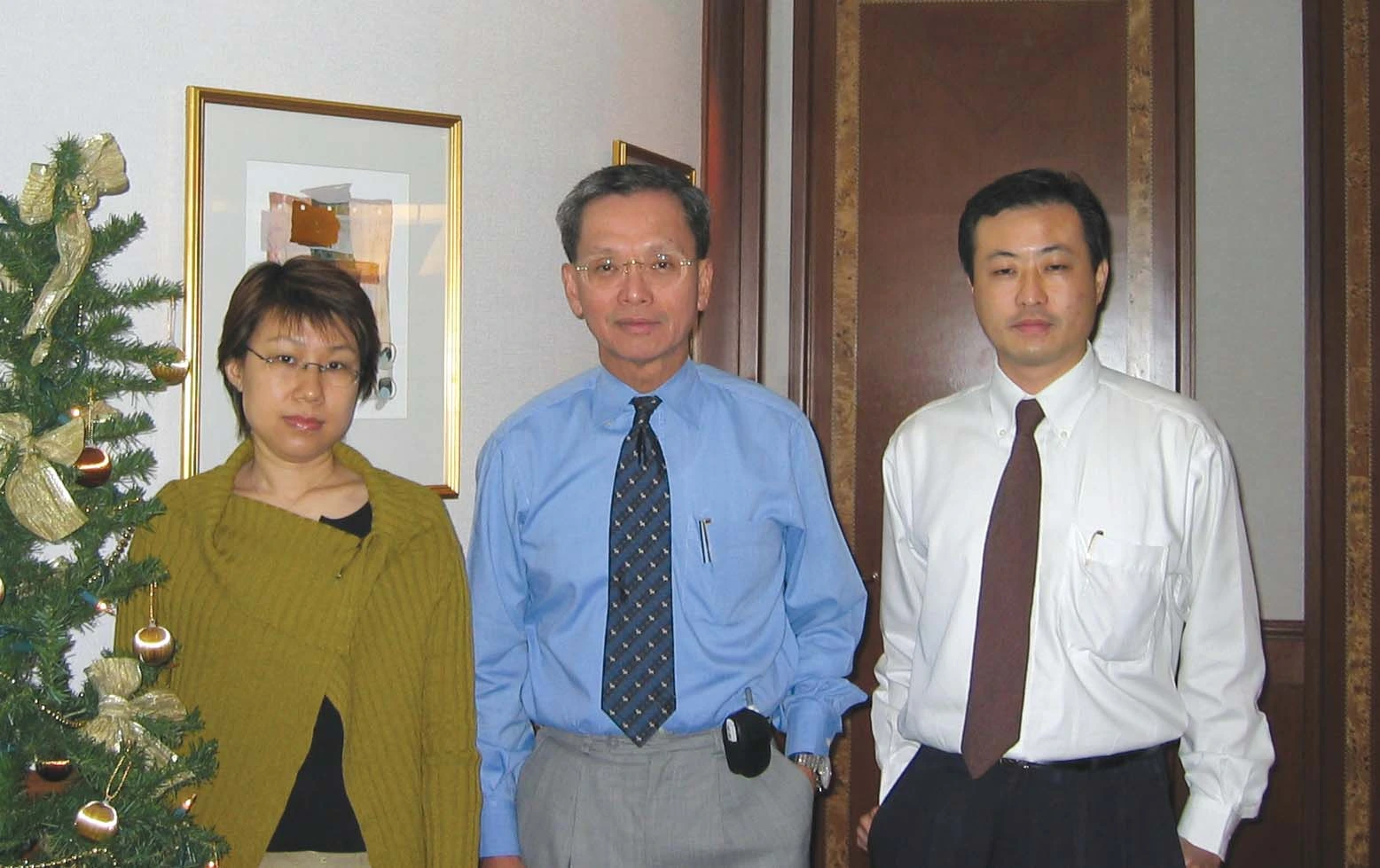
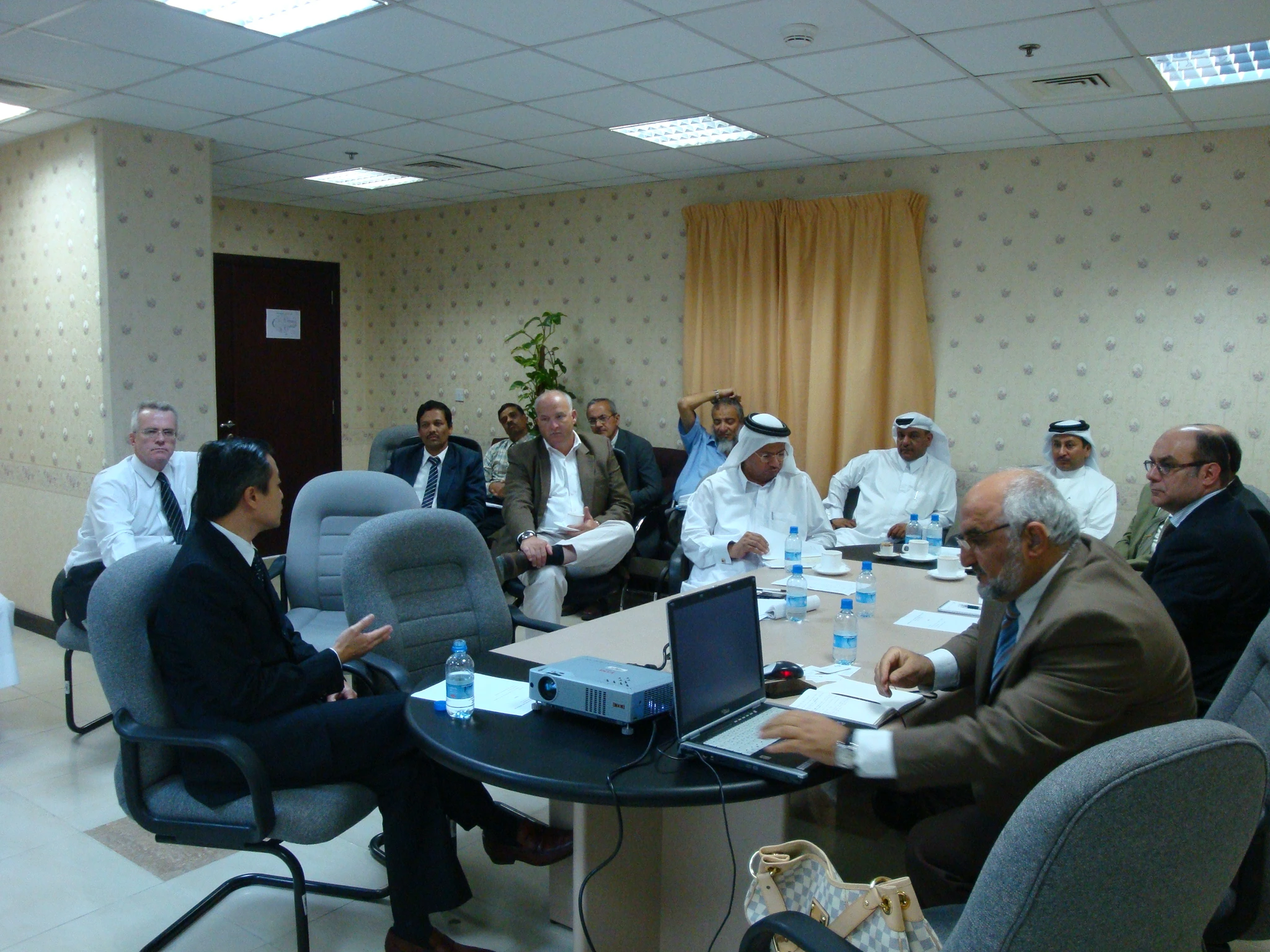
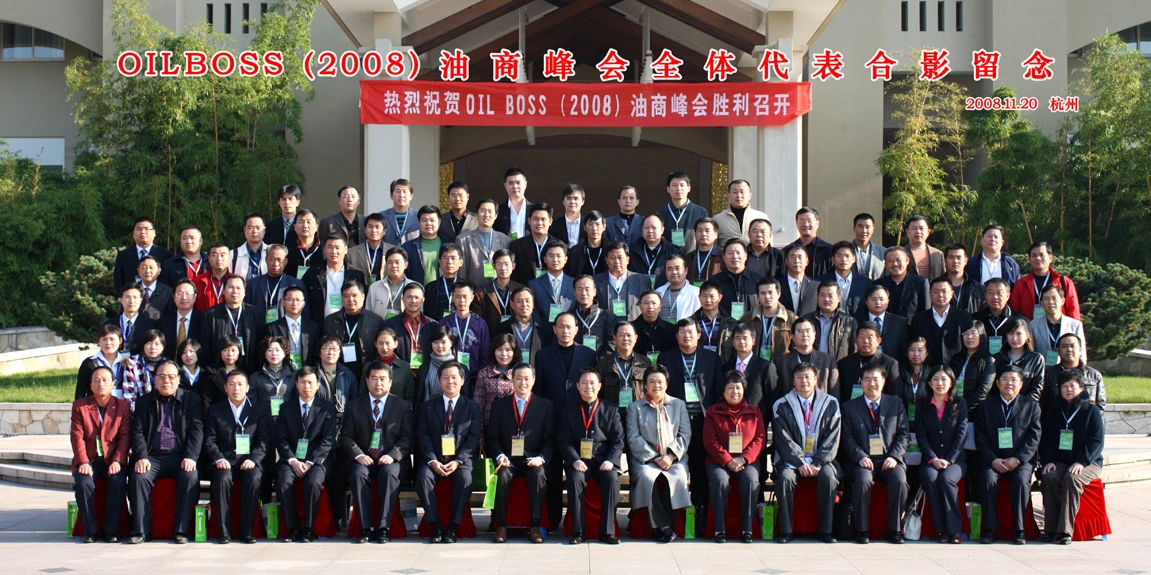
ACFA begins its work to support cleaner automotive fuels through science, technical expertise and collaboration with policymakers and industry.
Early 2000s
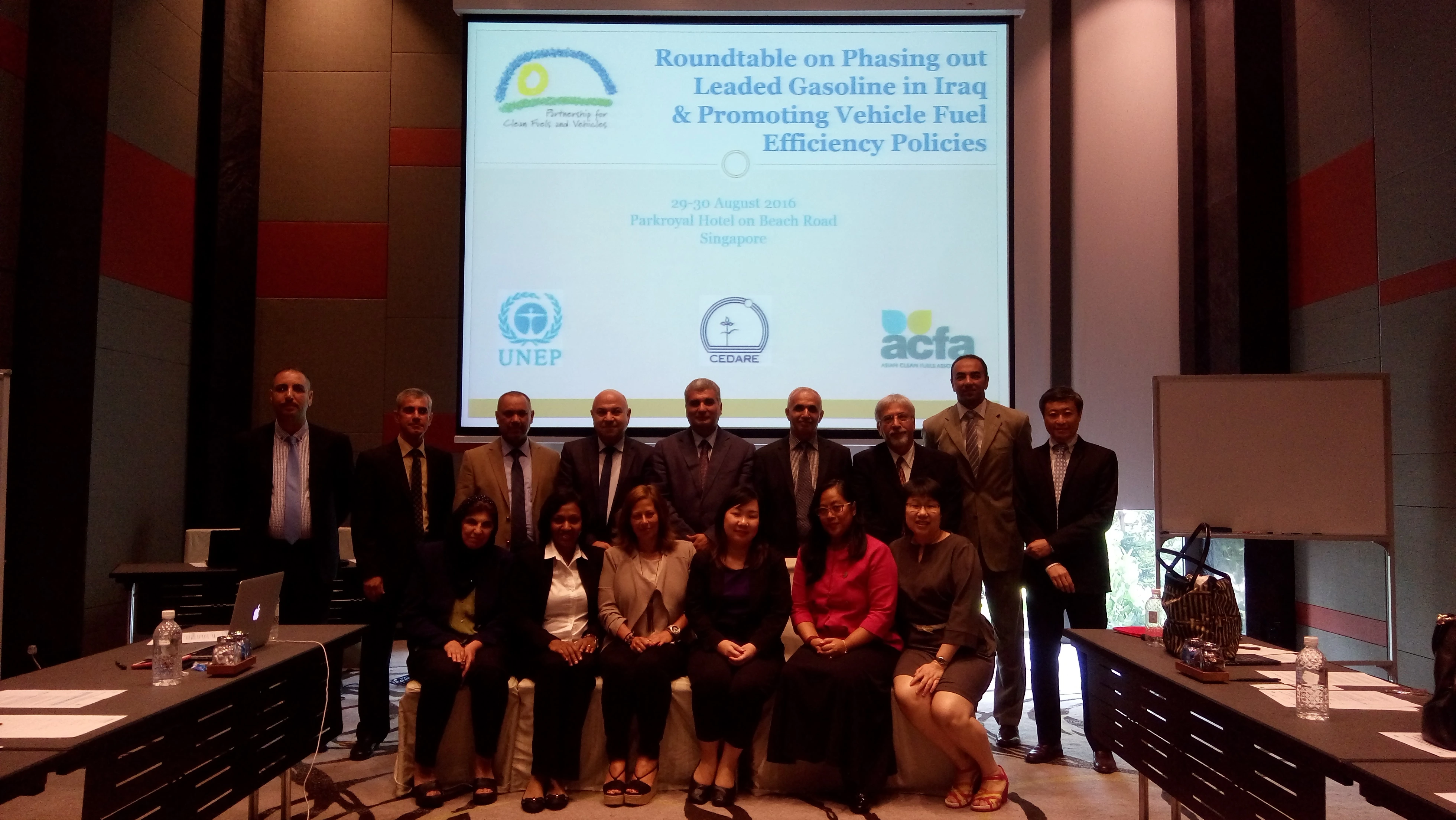
ACFA works with governments and international partners as countries across Asia and the Middle East move towards lead phase-out, lower sulphur and progressively cleaner fuel standards. This includes technical engagement and national and regional clean-fuels workshops with policymakers, industry and organisations such as UNEP and Clean Air Asia.
2004–2006
Following plans to restrict MTBE in gasoline, ACFA provides stakeholders with scientific and technical information to support the policy discussion. The proposed restriction is subsequently withdrawn.
Mid-2000s onwards
ACFA begins sustained engagement with Japanese policymakers, the fuel industry and automotive stakeholders as Japan considers different pathways for introducing biofuels into gasoline. This covers ethanol and ETBE, risk assessment, infrastructure and international experience. Japan begins using ETBE in its biofuel programme in 2009.
2007 onwards
ACFA works with Chinese environmental authorities and technical stakeholders as China moves towards increasingly stringent fuel standards, from China 3 through China 6. This includes technical input and collaboration with government, research and industry organisations.
2007
ACFA works with government and industry as the Philippines advances cleaner fuel and vehicle standards, including the Department of Energy, national Clean Fuels and Vehicles workshops and a dedicated Euro 4 workshop. ACFA also engages stakeholders as the country considers a proposed restriction on MTBE, which is subsequently reversed.
2016
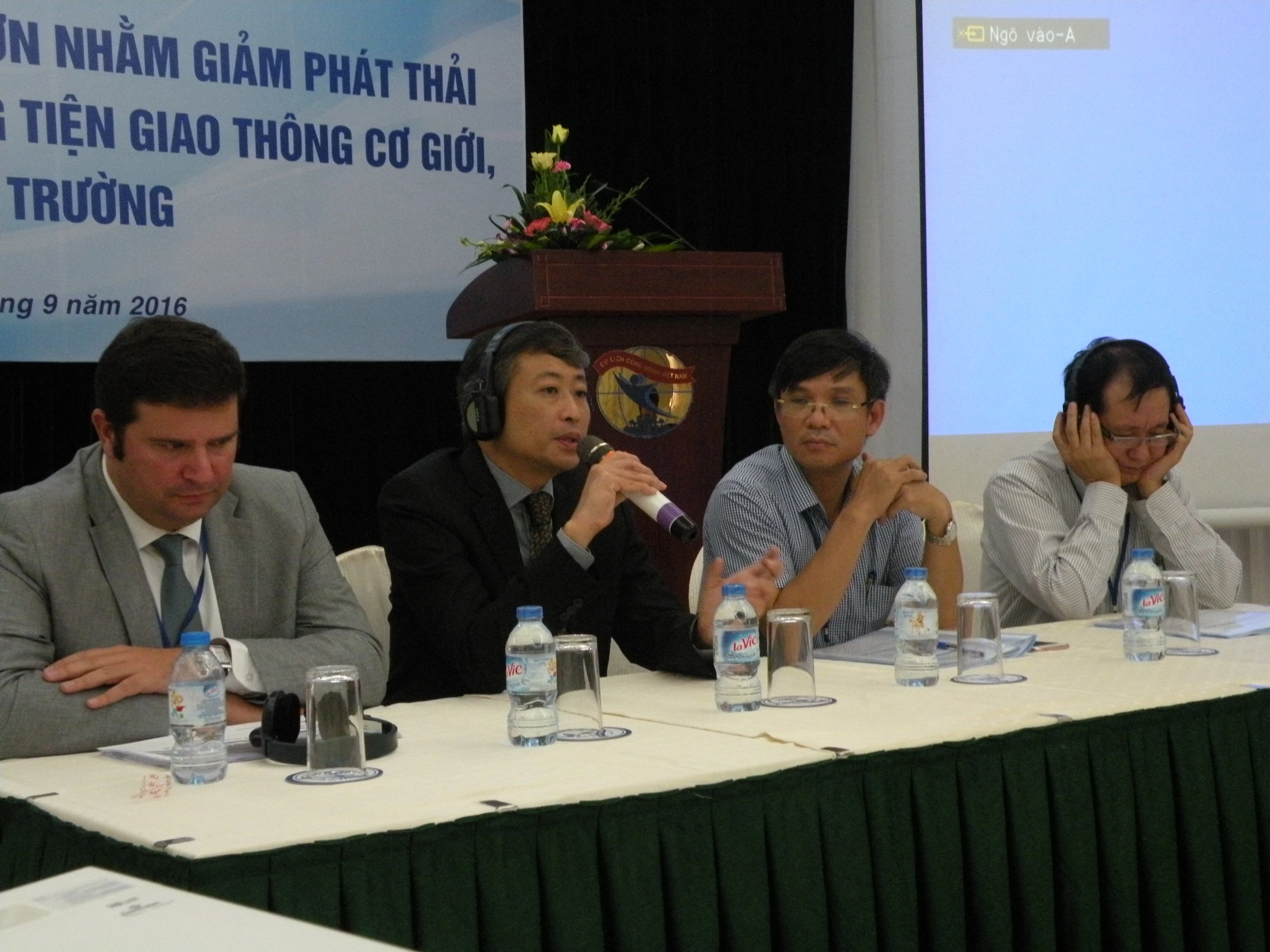
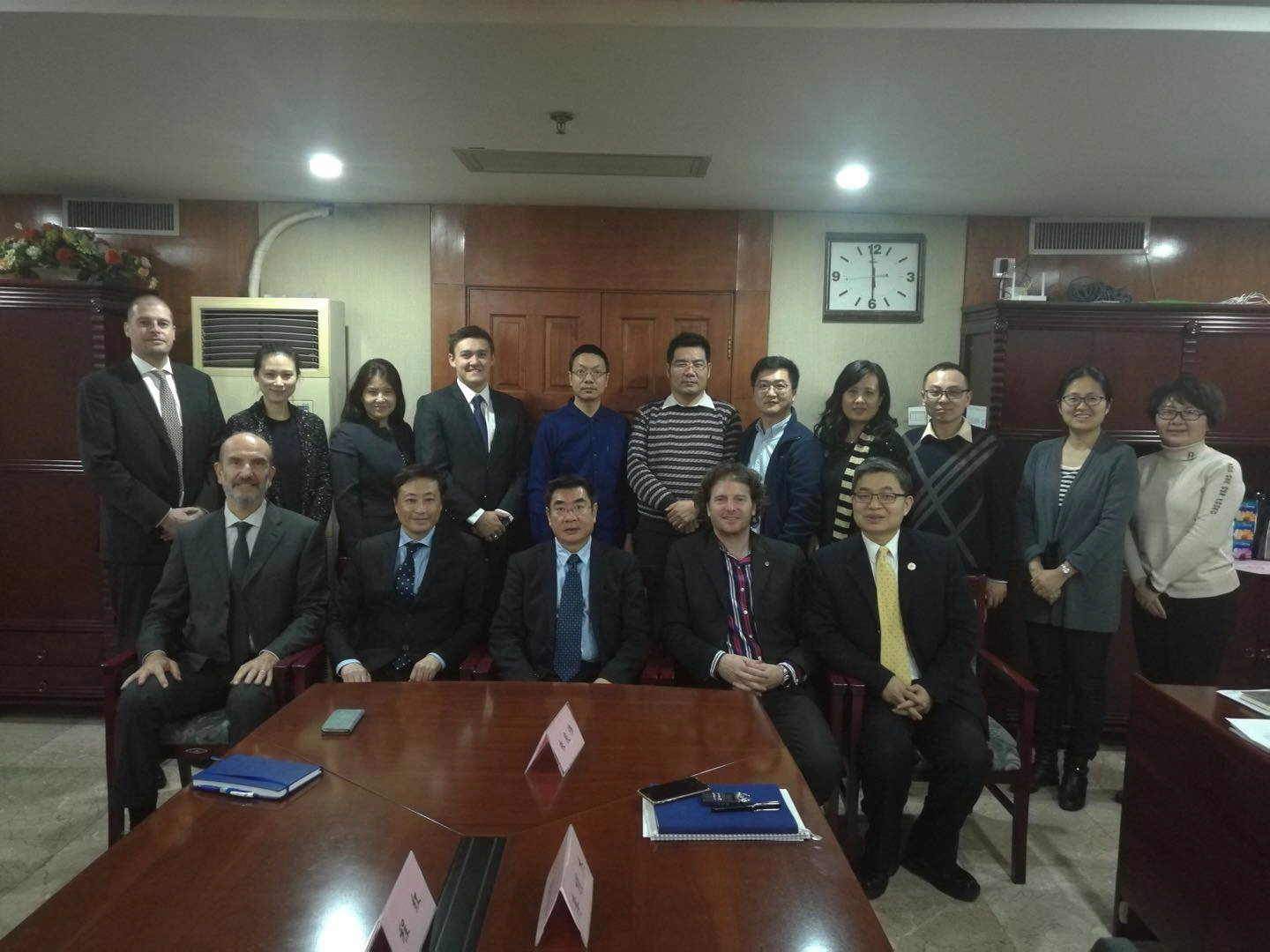
When Chinese authorities consider a policy review that could restrict the use of MTBE, ACFA provides government, research and industry stakeholders with scientific and technical information. The proposed restriction does not proceed.
2018
Following China’s nationwide E10 announcement, ACFA works with the China Petroleum and Chemical Industry Federation (CPCIF) to examine implementation considerations and alternative pathways. CPCIF submits a technical white paper, developed with ACFA’s input, to the Chinese government, and ACFA convenes a workshop in Ningbo to continue the discussion.
2022–2024
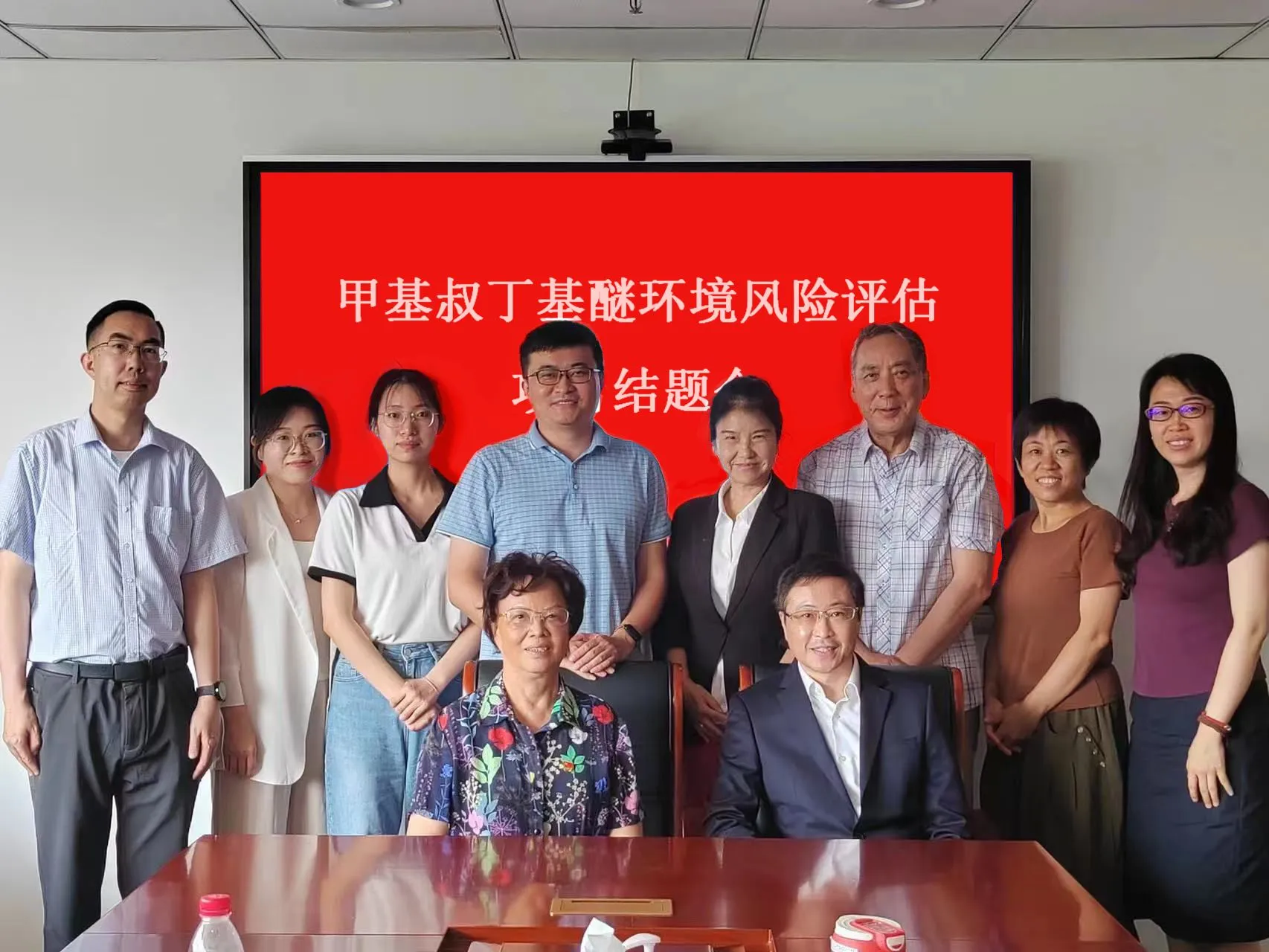
ACFA collaborates with Chinese partners on a three-year project examining the environmental and ecological risks associated with MTBE. The project brings together technical experts and industry stakeholders and uses China’s CET model as part of the assessment.
2023
ACFA supports research by The Energy and Resources Institute (TERI) examining oxygenated fuel options alongside India’s growing ethanol-blending programme. The research combines technical analysis with stakeholder perspectives on fuel quality, vehicle compatibility, feedstock and implementation.
2025
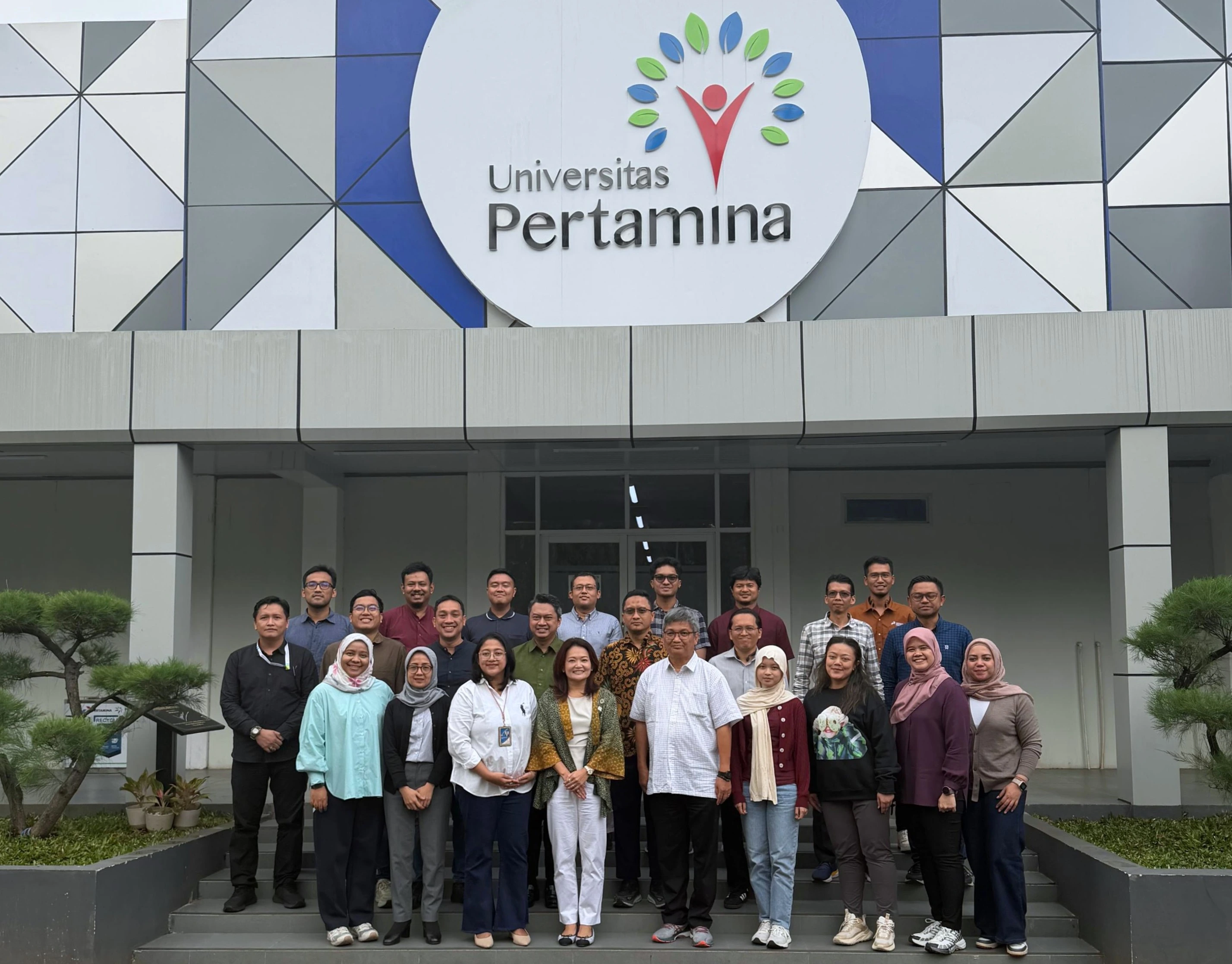
ACFA sponsors the development of MOVES-Indonesia with Eastern Research Group (ERG) and the Bandung Institute of Technology (ITB). Using locally adapted data from Jakarta and Surabaya, the model assesses how different gasoline formulations can affect vehicle emissions, giving future research and policy analysis a new tool.
Explore the Indonesia case study →2026
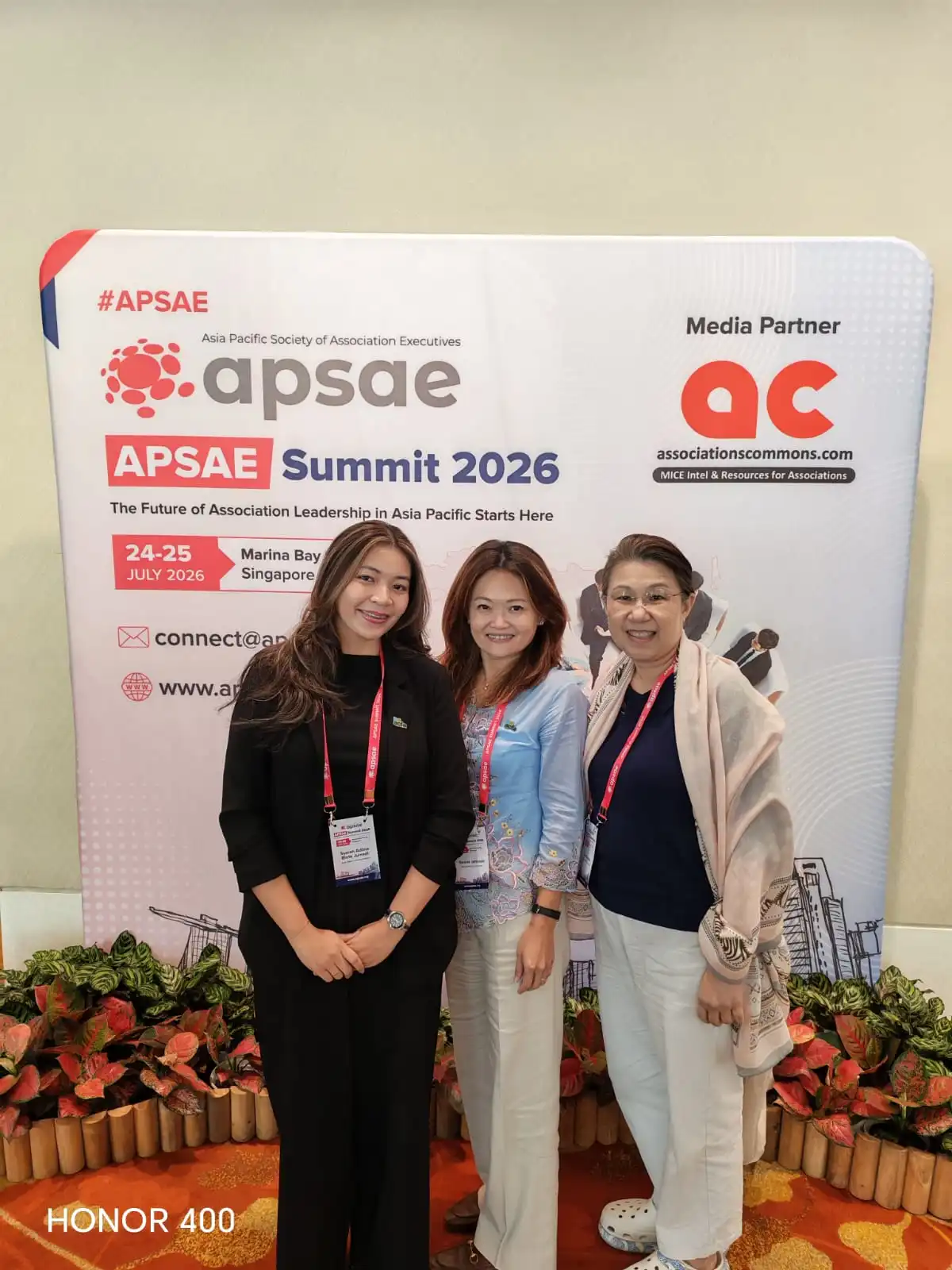
ACFA becomes a member of the Singapore Business Federation (SBF), strengthening its connection with Singapore’s wider business community and regional network.
Today
ACFA continues to work across Asia on fuel quality, air quality and transport policy through research, technical collaboration, stakeholder engagement and knowledge sharing. Our focus remains the same: bringing science and practical experience into discussions on how cleaner transport can be achieved.
Cleaner transport is often discussed in terms of vehicle technologies. We focus on another important part of the conversation: fuel quality.
Our approach is guided by evidence, practical implementation and regional context, recognising that different countries face different priorities and challenges.
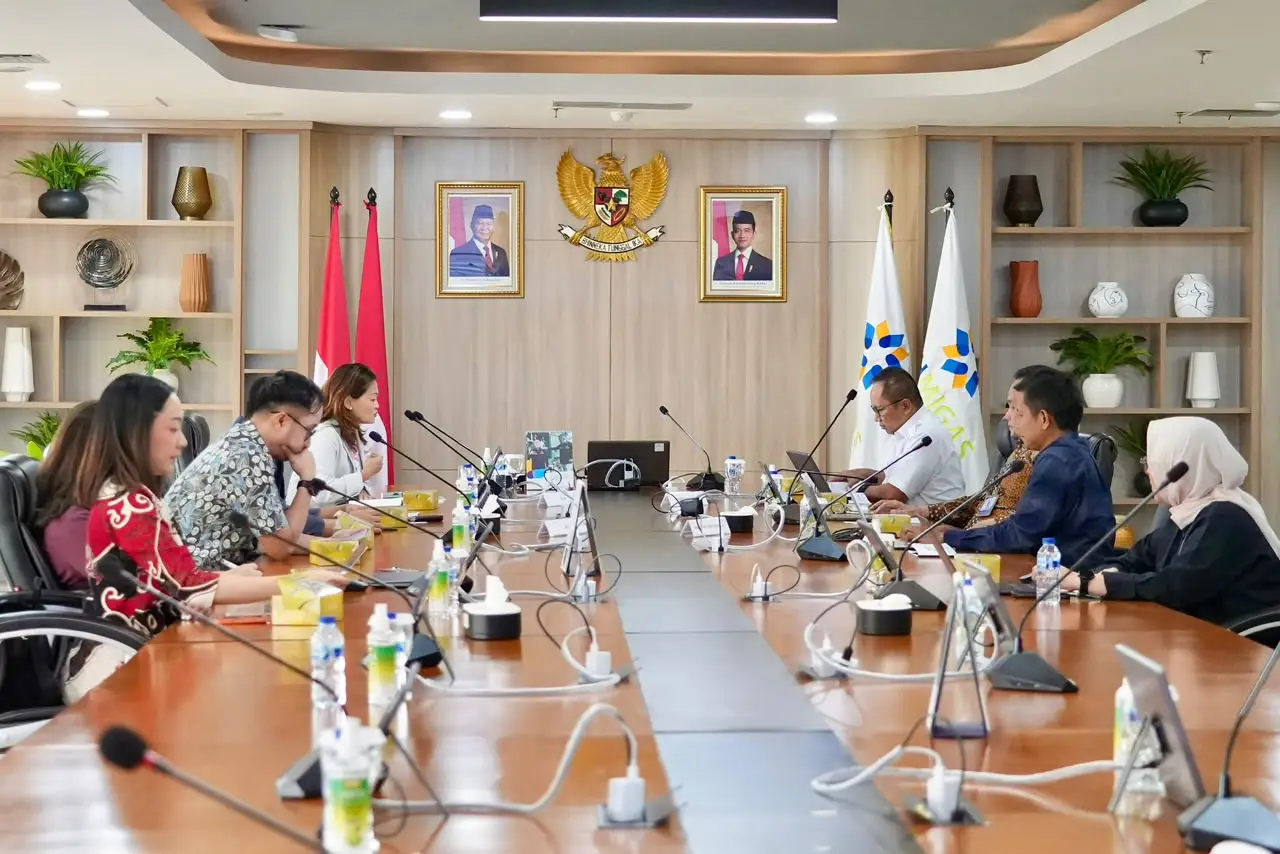
Our work is informed by technical research, scientific evidence and practical experience.
We consider different fuel pathways based on their merits, recognising there is no one-size-fits-all solution.
We recognise that each country has its own infrastructure, energy priorities and transport needs.
ACFA's governance structure supports effective decision-making, strategic oversight and collaboration across our membership.
Mr Faisal A Addas
SABIC
President
Mr Vinoj Thanumoorthy
LyondellBasell
Vice-President
Mr Marco Di Girolamo
Ecofuel Spa
Secretary
Mr Cheang Lai-Kwong
SABIC
Treasurer
Mr Mark Wells
LyondellBasell
Mr Arnd Schande
Evonik
Mr Paolo Repetti
Ecofuel
Mr Michael Herzog
Evonik
Ms Amelia Koh
SABIC
Collaboration is central to ACFA's work. We work with policymakers, research institutions, multilateral organisations and industry partners to support informed discussions on fuel developments across Asia.

Most of our work happens in partnership — technical programmes, events and publications with policymakers, research institutions and industry. Membership is one route in, and not the only one.
Get the latest on fuel-quality developments, technical publications and ACFA activities across the region.
Whether you're exploring fuel policy, technical collaboration or opportunities to work together, we'd be pleased to hear from you.