Cleaner air
Reducing harmful vehicle emissions starts with better fuel quality.


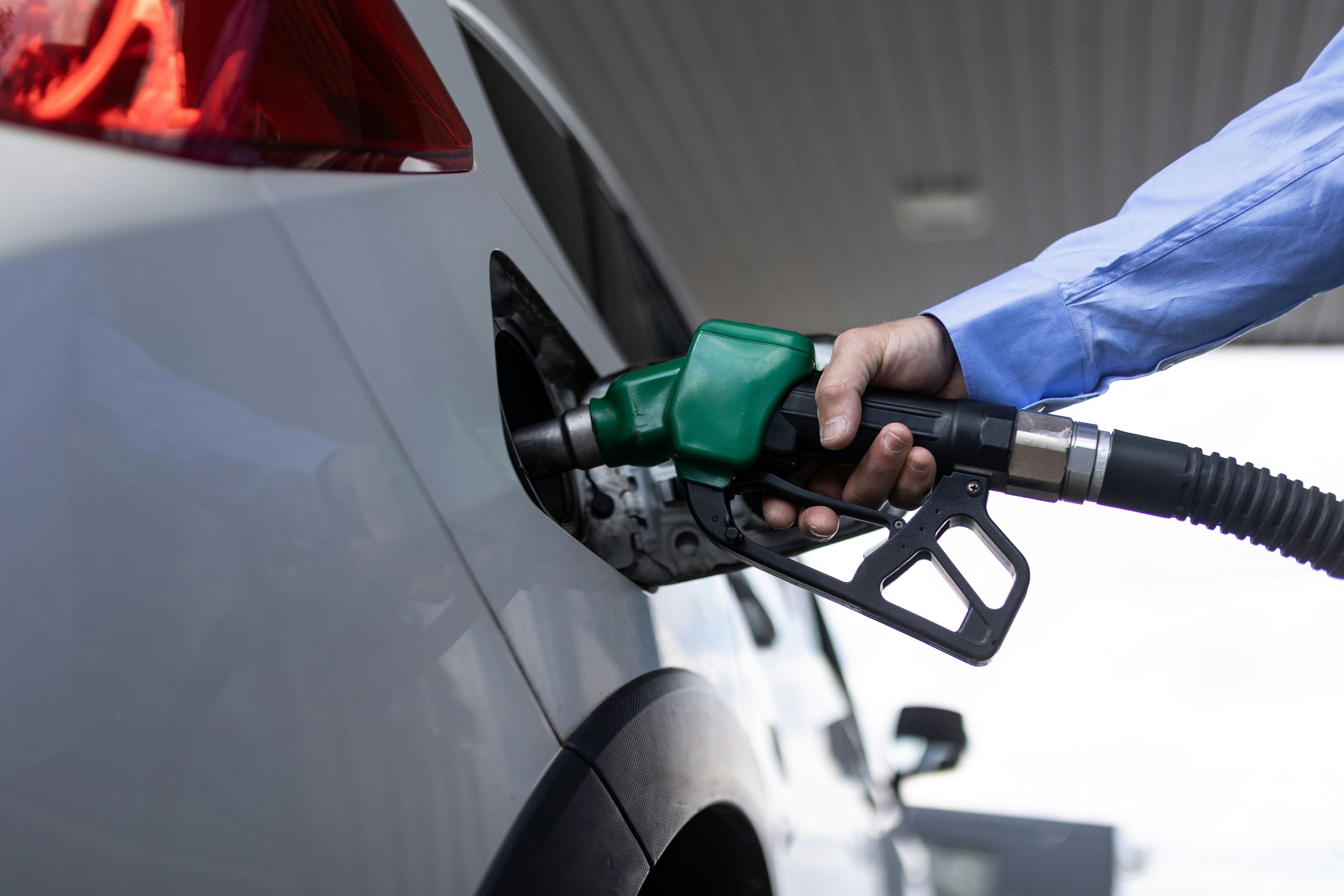
The fuel you choose impacts vehicle performance, emissions and the air we all breathe.
In partnership with organisations worldwide



Better fuel quality supports cleaner air, healthier communities and more efficient transport.
Reducing harmful vehicle emissions starts with better fuel quality.

The right fuel helps vehicles perform as they were designed to.
Understanding fuel quality helps us make more informed choices.
Know what’s in your tank →
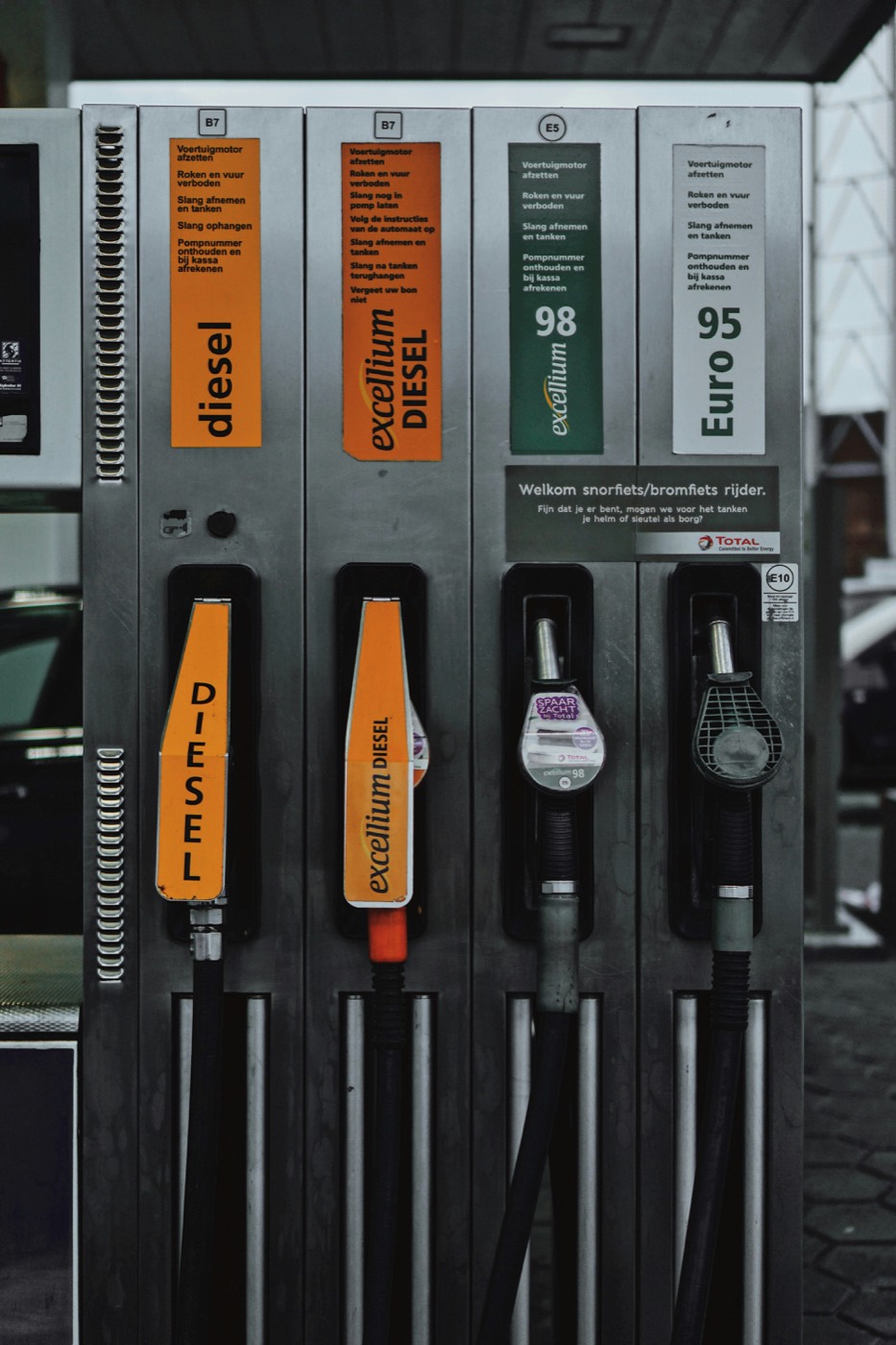
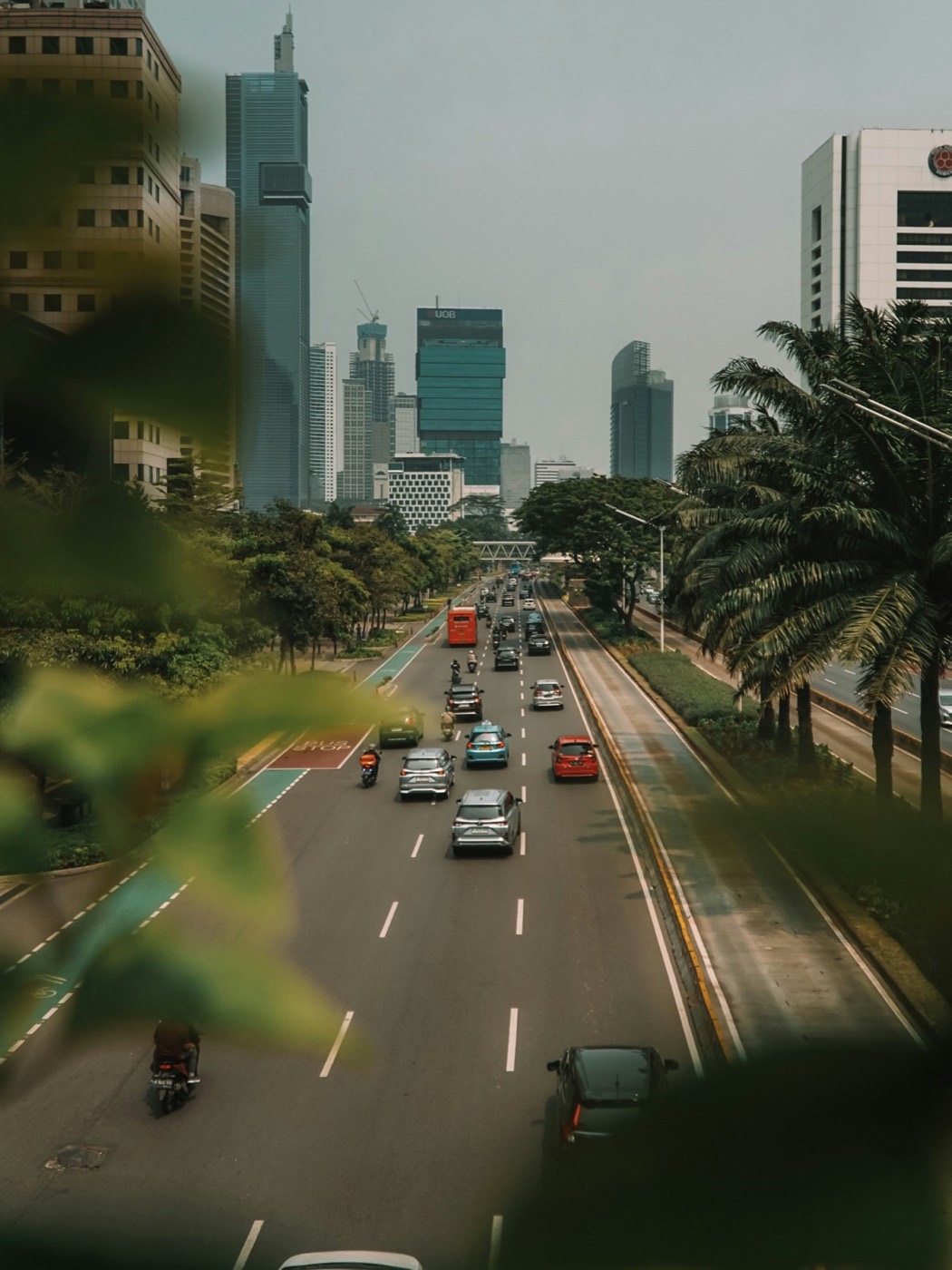

Fuel quality doesn’t have to be complicated.
The numbers (92, 95 & 98) refer to a fuel’s octane rating, but higher doesn’t mean better — it needs to suit your engine.
Carbon dioxide needs to be reduced to mitigate the impact from climate change, but engines also emit other harmful substances that can be better controlled.
Yes. Better fuel quality can contribute to cleaner air and improved public health.
Each step is reached once the one before it has been pushed as far as it will go. Improving fuel quality can complement these approaches while helping improve air quality from the vehicles already on our roads today.
Changes in commuting habits, for example through public transport and low-emission zones.
Improved engine efficiency — and the fuel quality that lets an engine deliver it.
Where a journey has to happen, the question becomes how much fuel it takes. Vehicle and engine efficiency do most of that work, and fuel quality is what allows an engine to deliver the efficiency it was designed for.
Changing engines to hybrid or electric drive.
For harder-to-abate sectors where solutions remain limited, such as aviation and shipping.
Gasoline and diesel will remain a major part of Southeast Asia’s road transport mix through 2035 — even as EV adoption accelerates.
mboe/d = million barrels of oil equivalent per day. Electric cars include battery electric and plug-in hybrid electric vehicles.
Source: IEA, Road transport liquids demand and oil demand avoided by EVs in the Announced Pledges Scenario in Southeast Asia, 2025–2035 (2026)
Fuel quality is more than the number at the pump. Standards, oxygenates and gasoline formulations shape emissions, efficiency and performance, and help explain why countries take different approaches to cleaner transport.
Understand the relationship between fuel quality and climate outcomes.
Find out more →Understand how fuel quality can help reduce vehicle emissions and improve local air quality.
Find out more →Discover how fuel quality can contribute to cleaner air and healthier communities.
Find out more →Learn how fuel specifications can affect fuel prices, vehicle performance and operating costs.
Find out more →Learn how fuel specifications can affect fuel supply, availability and energy security.
Find out more →Explore how countries introduce new fuel standards and the factors that support successful implementation.
Find out more →
We support better fuel quality decisions across the region through technical research, scientific analysis and regional collaboration.
As an industry-funded, non-profit trade association and member of the Singapore Business Federation (SBF), we bring together policymakers, industry, researchers and partner organisations to support evidence-based discussions on fuel quality and cleaner transport.
About ACFAResearch
Supporting evidence-based discussions through technical research and scientific analysis.
Regional collaboration
Working with policymakers, industry, researchers and partners to share knowledge and regional perspectives.
Working across Asia
Partner associations

Practical insights
Turning technical evidence into practical resources that support informed decision-making.
Explore our latest publications, upcoming events and regional activities from across Asia.
A short digest when a new edition lands. No spam, unsubscribe in one click.
Start by asking: what should be considered when fuel specifications are set?
Cost
To individuals and policymakers.
Supply
Availability and energy security.
Implementation
Public and infrastructure readiness.
Public health
Impact on communities.
Climate
Long-term environmental impact.
Air quality
Short-term environmental impact.