
Air pollution from road transport can affect the health of people living and working in cities. Fuel quality is one part of reducing these impacts by helping to lower harmful vehicle emissions.
Studies from around the world have examined the relationship between fuel quality, vehicle emissions and public health outcomes.
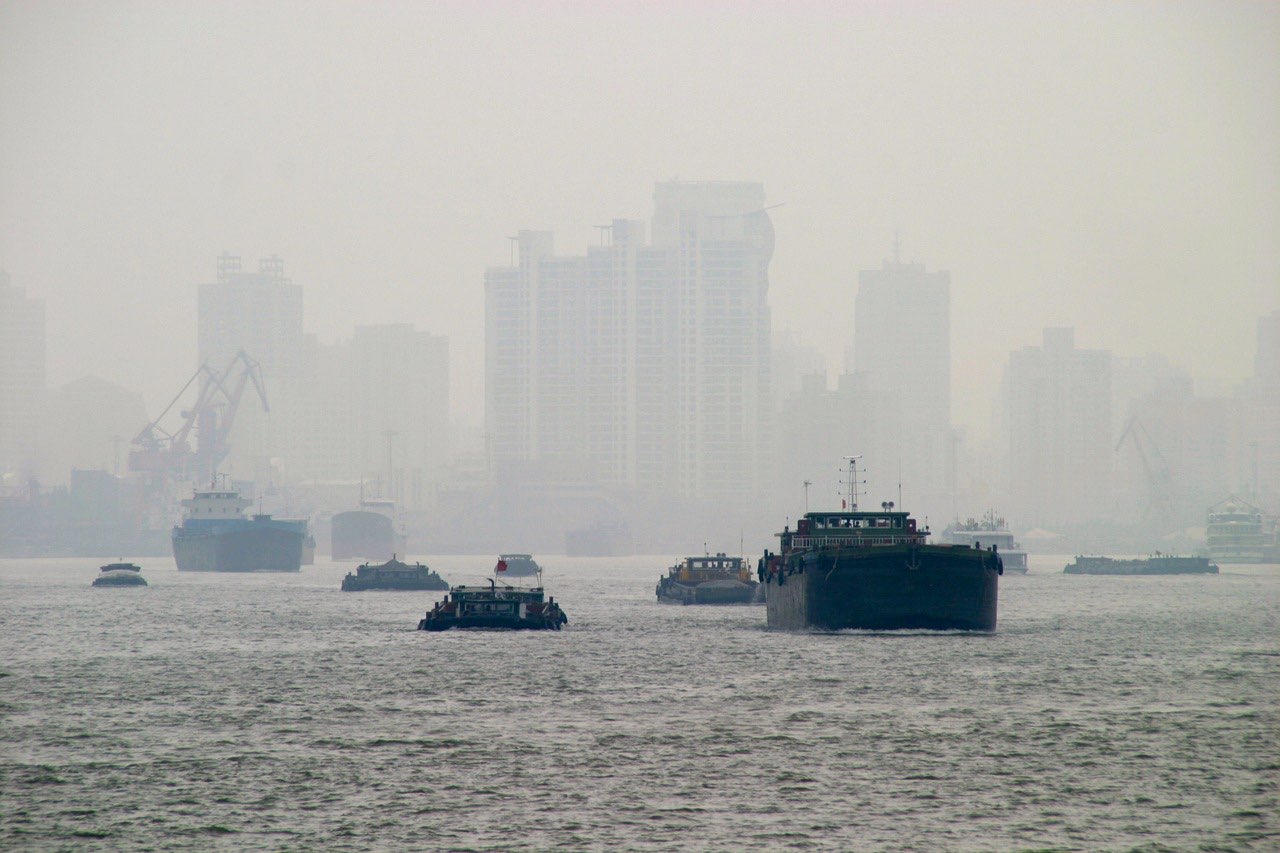
90%+
of people in East and Southeast Asia breathe air the World Health Organization considers unsafe.
Reducing harmful vehicle emissions can contribute to cleaner air and better public health, particularly in densely populated areas.
Vehicle-related air pollution is linked to cardiovascular disease, asthma and premature death.
Cardiovascular disease
Early death from cardiovascular causes.
Asthma
In children and in adults.
Premature death
Alongside other adverse outcomes WHO records.
50–70%
lower PM2.5 by 2030
Fifteen priority clean-air measures could more than triple the number of people breathing clean air across ASEAN.
The range is what the fifteen measures deliver together. Fuel quality is one of them, and the report attributes no share of the reduction to it on its own.